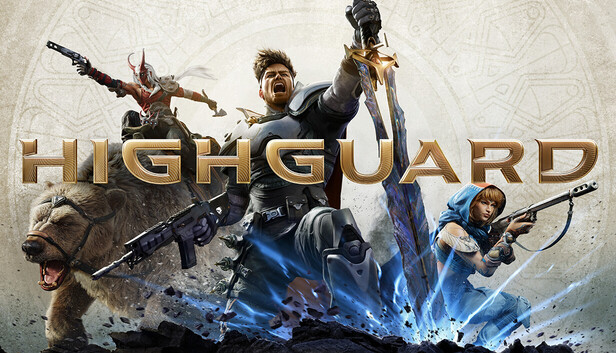
Exploring Highguard Difficulty: Player Reviews & Tips
Few topics spark as much debate in the gaming community as a game's difficulty. For the highly anticipated title, Highguard, the question of its challenge level has been at the forefront of player discussions since its launch. A quick search for "Highguard avis difficulté" reveals a vibrant spectrum of opinions, ranging from declarations of insurmountable odds to praises of perfectly balanced challenges. But what truly defines Highguard's difficulty, and how can players best prepare for the journey ahead? This comprehensive guide dives deep into player experiences, breaks down the core mechanics contributing to the game's challenge, and offers actionable tips to help you conquer the world of Highguard.
Deconstructing Highguard's Core Difficulty
To understand the varied player sentiments around Highguard Avis Difficulté: Mastering the Challenge, it's crucial to first dissect the game's inherent design. Highguard is not a monolithic experience; its difficulty evolves and scales, presenting different hurdles at various stages of the game.
The Initial Learning Curve: A Gentle Introduction or a Baptism by Fire?
For many, the first few hours of Highguard set the tone. Players often report that the initial areas, such as the Sunken Marshes and the Whisperwind Forest, offer a relatively forgiving introduction to the game's core mechanics. Combat is deliberate, resource management is manageable, and enemy patterns are straightforward. However, this accessibility can be deceptive. Highguard subtly introduces complex systems like the "Runic Engraving" crafting system and the intricate "Stance Switching" combat mechanic without holding the player's hand extensively. Those who rush or ignore these foundational elements often hit a wall much earlier than expected.
- Early Game Challenge: Primarily skill-based, focusing on understanding movement, basic attacks, and enemy tells.
- Key Systems Introduced: Stance Switching, Runic Engraving, elemental weaknesses.
- Common Pitfall: Neglecting to learn core mechanics, leading to frustration in later areas.
Mid-Game Progression & Escalation: The Walls Start to Close In
As players venture beyond the initial zones and into areas like the Cinder Peaks or the Shifting Sands, Highguard truly begins to flex its difficulty muscles. Enemy types become more diverse, featuring unique attack patterns, resistances, and often, synergistic group tactics. Boss encounters transition from pattern recognition tests to multi-phase battles requiring precise timing, resource allocation, and mastery of your chosen build. This is where many players begin to voice their "Highguard avis difficulté" concerns, as the game demands a deeper understanding of its systems.
Resource management becomes critical. Ammunition for ranged weapons, potions, and crafting materials are no longer abundant, forcing strategic decisions before each major encounter. The game pushes players to experiment with different weapon types, elemental damage, and character builds to overcome specific obstacles.
- Mid-Game Challenge: Strategic depth, adapting to varied enemy types, resource scarcity, and multi-phase boss fights.
- New Mechanics: Advanced enemy AI, environmental hazards, more complex status effects.
- Player Feedback: Often describes a significant jump in difficulty, requiring build optimization.
The End-Game Gauntlet: Pushing the Boundaries of Skill and Patience
Reaching Highguard's endgame is an accomplishment in itself, but the true test of mastery awaits. The final zones, optional super bosses, and especially the New Game+ cycles, present challenges designed to push even the most seasoned players to their limits. Here, enemies boast significantly higher health pools and damage output, often appearing in overwhelming numbers. Bosses gain new abilities and phases, demanding flawless execution and intimate knowledge of their attack patterns.
Highguard's endgame isn't just about raw stats; it's about perfecting your understanding of every system. Utilizing environmental advantages, timing your parries and dodges perfectly, and having a meticulously crafted build are no longer optional – they're essential. The "Highguard avis difficulté" at this stage often revolves around the fine line between challenging and punishing, with some players finding it immensely rewarding and others bordering on frustrating.
Player Perspectives: Common "Highguard avis difficulté" Themes
The beauty of Highguard's challenge lies in its subjective nature. What one player finds brutally unfair, another considers a perfect test of skill. Let's explore the common viewpoints that shape the Is Highguard Hard? An In-Depth Look at Difficulty discussion:
For Casual Players: A Steep Climb with Rewarding Peaks
Many casual players, accustomed to more forgiving RPGs, report a significant initial struggle. The deliberate combat, requirement for precise dodging or blocking, and the lack of an easy mode can feel alienating. Deaths are frequent, and progress can be slow. However, those who persevere often praise Highguard for teaching them new gaming skills. The satisfaction of overcoming a particularly tough boss or clearing a previously impassable area is a powerful motivator. Accessibility options, such as the ability to respec skill points and a robust co-op system, often soften the blow for this demographic.
For Experienced Gamers: The "Soulslike" Comparison and Mastery Opportunities
Veterans of challenging action RPGs, often dubbed "Soulslike" enthusiasts, generally embrace Highguard's difficulty. They appreciate the intricate combat, the sense of accomplishment, and the deep build customization. For them, the challenge is what makes the game engaging. They often seek out optional bosses and higher difficulty settings, relishing the opportunity to optimize their strategies and demonstrate their skill. Their "Highguard avis difficulté" often highlights the game's depth and replayability.
The "Grind" Factor: Skill vs. Time Investment
A recurring theme in player reviews is the debate around whether Highguard's difficulty is primarily skill-based or if it leans towards requiring excessive grinding. While skill undeniably plays a massive role, some players feel that hitting certain stat thresholds or acquiring specific gear can significantly ease some encounters. This leads to a perception that optional grinding for better equipment or experience points becomes a workaround for skill deficits, blurring the lines between true challenge and time investment.
Community Consensus vs. Outliers: A Diverse Spectrum
Overall, the community generally agrees that Highguard is a challenging game. However, the exact degree of difficulty is highly personal. Some players find it easier than anticipated due to their prior experience, while others struggle significantly. This diversity underscores Highguard's design philosophy: it offers a core challenge that can be approached in multiple ways, catering to different skill levels and playstyles.
Navigating the Challenge: Tips for Mastering Highguard's Difficulty
Regardless of your initial Highguard Avis Difficulté: Mastering the Challenge experience, there are concrete strategies to improve your chances of success and make the game a more rewarding experience.
Essential Early-Game Strategies
- Master the Basics: Spend time in safe zones practicing Stance Switching, parries, and dodges. Understand the timing of your chosen weapon's attack chains.
- Prioritize Core Stats: Early on, investing in Vitality (HP) and Endurance (Stamina) can significantly increase your survivability, giving you more room for error.
- Learn Enemy Patterns: Every enemy has tells. Observe their movements before attacking. Don't be afraid to take a few hits to learn their rhythm.
- Utilize Runic Engraving: Don't overlook this system. Crafting runes to imbue your weapons with elemental damage or utility effects can turn the tide in specific encounters.
Advanced Combat Techniques
- Exploit Weaknesses: Pay attention to enemy visual cues or lore entries for elemental or damage type weaknesses. A fire-imbued weapon against a frosty enemy makes a huge difference.
- Perfect Parries & Dodges: While risky, mastering these defensive maneuvers creates openings for critical counter-attacks and significantly reduces incoming damage.
- Environmental Awareness: Use the environment to your advantage. Lure enemies into choke points, use explosive barrels, or utilize elevated positions.
- Crowd Control: Prioritize dangerous enemies in groups. Use abilities that can stun, stagger, or knock down foes to manage large pulls.
Character Builds & Customization
- Specialization vs. Versatility: Decide early if you want to specialize in a specific weapon type or stat (e.g., pure strength, arcane magic) or create a more versatile hybrid build. Both are viable, but specialization often shines in late-game.
- Experiment with Weapons: Don't stick to just one weapon. Different weapons excel in different situations. Keep a diverse arsenal upgraded.
- Synergy is Key: Ensure your armor, runes, and skill choices complement your chosen weapon and playstyle. For instance, a heavy armor user might benefit from runes that reduce stamina consumption.
Utilizing Game Mechanics to Your Advantage
- The Companion System: Your companions aren't just for lore; they provide invaluable support in combat. Upgrade their gear and abilities, and choose companions that complement your playstyle (e.g., a tanky companion for a ranged player).
- Consumables: Don't hoard your consumables! Potions, buffs, and status cures are meant to be used when needed, especially in challenging boss fights.
- Optional Content: While challenging, optional areas often hide powerful gear, unique runes, or valuable experience that can significantly boost your character and make the main quest easier.
Don't Be Afraid to Adapt
Highguard rewards adaptability. If a particular boss or area feels impossible, consider taking a break, trying a different weapon, respeccing your stats, or exploring optional areas to gain power. Engaging with the robust Highguard community online can also provide invaluable insights and strategies for overcoming specific hurdles. Remember, "Is Highguard Hard?" is a question often best answered by your own willingness to learn and adapt.
Is Highguard Hard? Our Verdict and Recommendations
After dissecting player feedback and the game's design, it's clear that Highguard offers a genuinely challenging experience. It's not a game designed to be casually completed on your first attempt without engaging with its intricate systems. The consensus from Is Highguard Hard? An In-Depth Look at Difficulty articles and player discussions points to a steep, but fair, difficulty curve that rewards patience, strategic thinking, and mastery of its mechanics.
For those seeking a deep, rewarding, and often brutal action RPG experience, Highguard delivers in spades. For players who might be intimidated, remember that the game provides tools for success: cooperative play, comprehensive customization, and plenty of opportunities to learn and adapt. The journey through Highguard is a test, but one that leaves you with a profound sense of accomplishment.
In conclusion, while the "Highguard avis difficulté" may initially paint a picture of an insurmountable challenge, it's more accurately described as a journey of skill acquisition and strategic adaptation. Embrace the learning curve, experiment with different approaches, and most importantly, enjoy the process of overcoming each obstacle. The world of Highguard awaits, ready to be conquered by those brave enough to face its trials head-on.