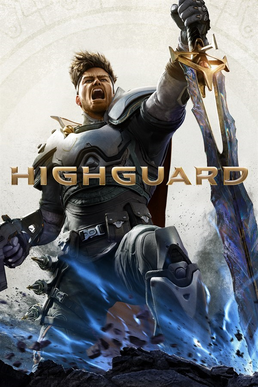
Is Highguard Hard? An In-Depth Look at Difficulty
The question, "Is Highguard hard?" echoes through forums and discussions, often serving as a primary point of debate among prospective and veteran players alike. This isn't just a simple yes or no answer; the perceived difficulty of Highguard is a complex tapestry woven from its intricate mechanics, evolving challenges, and the individual player's skill set and expectations. For those searching for a comprehensive
Highguard avis difficulté, this article aims to dissect what makes the game challenging, how it compares to similar titles, and how players can navigate its trials. Far from a casual stroll, Highguard demands attention, patience, and a willingness to adapt, making its difficulty a significant part of its identity and allure.
Unpacking Highguard's Foundational Challenges
To truly understand Highguard's reputation for difficulty, one must first delve into its core design principles. The game is built upon a foundation that emphasizes skill, strategic thinking, and methodical progression, rather than simply overpowering foes through brute force or excessive grinding.
The Combat System: A Test of Skill and Patience
At the heart of Highguard's challenge lies its demanding combat system. It's a real-time affair that punishes recklessness and rewards precise execution.
- Stamina Management: Every offensive and defensive action consumes stamina. Poor management often leads to an exhausted character, vulnerable to even the weakest enemies. Learning when to attack, when to dodge, and when to disengage for stamina regeneration is paramount.
- Precise Timing: Highguard features a robust parry and dodge system. Mastering the timing of these defensive maneuvers is crucial, as a perfectly timed parry can leave enemies open for critical counter-attacks, while a well-executed dodge can negate devastating blows. Mistiming, however, often results in significant damage or death.
- Enemy Variety and Patterns: The game boasts a diverse bestiary, each creature possessing unique attack patterns, tells, and weaknesses. Memorizing these patterns and adapting your strategy on the fly is essential. Rush into a fight unprepared, and you'll quickly find yourself overwhelmed.
- Resourcefulness: Beyond direct combat, players must utilize their limited resources wisely. Potions, status-cleansing items, and temporary buffs can turn the tide of a difficult encounter, but they are finite and often costly.
This blend of meticulous timing and tactical resource management means that the initial learning curve can feel steep. Players new to action RPGs with demanding combat mechanics might find the early hours particularly frustrating, but perseverance often unlocks a deeply satisfying combat experience.
Exploration and Environmental Puzzles: More Than Just Combat
Highguard's difficulty isn't confined to its combat arenas. The sprawling, interconnected world is replete with its own set of challenges that test player intellect and observation.
- Hidden Paths and Secrets: The game rarely holds your hand, encouraging players to explore every nook and cranny. Many crucial items, shortcuts, and even optional bosses are tucked away behind seemingly impassable terrain or cleverly disguised pathways.
- Environmental Hazards and Traps: From precarious ledges to hidden pressure plates and corrosive swamps, the environment itself can be as deadly as any foe. Navigating these areas requires careful planning and acute awareness.
- Lore-Driven Puzzles: Occasionally, progress is gated behind intricate puzzles that draw upon the game's rich lore. These aren't just simple lever-pulling tasks; they often require understanding cryptic clues, piecing together fragments of information found throughout the world, and sometimes even backtracking.
This layered difficulty ensures that players are constantly engaged, whether they're clashing swords with a monstrous beast or carefully plotting a path through a treacherous ruin.
The Evolving Challenge: Highguard's Difficulty Curve
The experience of playing Highguard is not static; its difficulty ebbs and flows, presenting different types of challenges as players progress through its epic narrative. Understanding this curve is key to forming a realistic
Highguard avis difficulté.
Early Game: The Gauntlet of Adaptation
The opening hours of Highguard are arguably some of its most punishing. Players start with basic gear, a limited understanding of mechanics, and often, a sense of vulnerability. Enemies that later become trivial can feel insurmountable. This phase is designed to teach fundamental skills: parrying, dodging, identifying enemy tells, and managing stamina. Many players find themselves dying repeatedly to common foes or early mini-bosses, a critical period for learning and adapting. This is where patience is truly forged, and those who push through are rewarded with a much deeper appreciation for the combat system.
Mid-Game: Strategic Depth and Build Optimization
As players overcome the initial hurdles, the mid-game introduces new layers of complexity. The world opens up, offering more diverse environments, tougher regular enemies, and a wider array of build options. Here, the difficulty shifts from purely mechanical skill to strategic planning and character optimization. Players must start to seriously consider:
- Character Builds: Should you focus on strength and heavy armor, or dexterity and swift weapons? Invest in arcane magic or divine blessings? Optimal build synergy becomes vital for tackling mid-game challenges.
- Gear Acquisition and Upgrades: Finding and upgrading the right weapons and armor makes a significant difference. Understanding damage types, resistances, and status effects becomes crucial.
- Boss Encounters: Mid-game bosses demand more than just rote pattern memorization. They often introduce multi-phase fights, environmental hazards, and unique mechanics that require creative solutions.
The mid-game encourages experimentation and rewards those who are willing to delve into the game's RPG systems.
Late Game and Boss Encounters: The Ultimate Test
The late game of Highguard culminates in some of the most memorable and brutally difficult encounters. Final bosses and optional, secret adversaries push every skill learned to its absolute limit. These fights often require:
- Flawless Execution: Mistakes are punished severely, often leading to instant death.
- Comprehensive Understanding: Players must leverage their character build, item knowledge, and mastery of combat mechanics in unison.
- Strategic Patience: Many late-game bosses are wars of attrition, demanding long periods of focused dodging and well-timed attacks.
It's in these moments that the true challenge of Highguard shines, transforming frustration into immense satisfaction upon victory. For those seeking to truly conquer these trials, diving deeper into community strategies and advanced techniques can be incredibly beneficial. To learn more about mastering these specific challenges, you might find
Highguard Avis Difficulté: Mastering the Challenge a valuable resource.
Beyond the Basics: Community Insights and Customizing Your Playthrough
The discussion surrounding
Highguard avis difficulté is vast and varied, reflecting a broad spectrum of player experiences.
Player Perspectives: A Spectrum of Experiences
For some, Highguard represents a punishing, unforgiving experience that tests their limits. For others, it’s a perfectly balanced challenge, offering just enough friction to make victories feel earned. Factors influencing this perception include:
- Prior Experience: Players accustomed to similar "soulslike" titles might find Highguard familiar and less daunting. Those new to the genre, however, might face a steeper climb.
- Patience and Resilience: Highguard demands both. The willingness to die, learn from mistakes, and try again is perhaps the single most important factor in overcoming its hurdles.
- Approach to Gameplay: Players who meticulously explore, read lore, and optimize their builds will generally have an easier time than those who try to rush through content.
This diverse range of opinions highlights that while Highguard is inherently challenging, its *perceived* difficulty is subjective. Exploring community discussions and individual player experiences can provide a richer context for your own journey. For a deeper dive into what players are saying, check out
Exploring Highguard Difficulty: Player Reviews & Tips.
Official Difficulty Settings and Accessibility
Highguard, while maintaining a core challenge, does offer some degree of customization to cater to different player preferences.
- Standard Difficulty Options: Most players begin on "Normal" difficulty, which provides the intended experience. "Easy" mode often reduces enemy health and damage, while "Hard" or "Nightmare" modes can introduce more aggressive AI, additional enemy abilities, or stricter combat mechanics.
- New Game+: For veterans who have conquered the base game, New Game+ offers a way to replay with increased enemy stats, new enemy placements, and sometimes even unique challenges, providing a fresh and even more demanding experience.
- Accessibility Features: While Highguard focuses on its core challenge, developers often include options like customizable controls, UI scaling, and colorblind modes to improve general accessibility, ensuring more players can engage with the game's demanding content.
These settings allow players to tailor the challenge to their comfort level, ensuring that Highguard can be enjoyed by a broader audience without compromising its fundamental design philosophy.
Navigating the Gauntlet: Practical Tips for Success
If you're finding yourself asking "Is Highguard hard?" the answer is likely "yes, but conquerable." Here are some practical tips to help you overcome its formidable challenges:
- Master Your Defense: Parry, Dodge, Block: These are your lifelines. Spend time in safer areas practicing the timing. Knowing when to use each is crucial.
- Understand Enemy Patterns: Observation is Key: Before rushing in, observe new enemies from a distance. Learn their attack sequences, tells, and weaknesses. Patience saves lives (and sanity).
- Optimize Your Build: Gear, Skills, and Consumables: Don't just blindly equip the highest damage weapon. Consider resistances, stat scaling, and how gear synergizes with your chosen playstyle. Always keep essential consumables stocked.
- Utilize the Environment: Traps and Ambush Points: Turn the tables on enemies by luring them into traps, using choke points, or taking advantage of environmental hazards.
- Don't Fear Failure: Learn and Adapt: Highguard expects you to die. Each death is a lesson. Analyze what went wrong, adjust your strategy, and try again. Persistence is your most powerful weapon.
- Seek Community Help: Guides and Discussions: When truly stuck, don't be afraid to consult online guides, watch gameplay videos, or ask for advice in player forums. The community is often a rich source of strategies and build ideas.
Conclusion
So, is Highguard hard? Unquestionably, yes. It is designed to be a challenging experience that tests player skill, patience, and strategic acumen. However, its difficulty is not insurmountable; rather, it is a finely tuned gauntlet that rewards perseverance and careful thought. The discussions around "Highguard avis difficulté" often highlight this duality: a game that can be intensely frustrating but ultimately incredibly rewarding. For those who embrace its demanding nature, Highguard offers a deeply satisfying journey of growth and mastery, transforming initial struggles into triumphant victories. Dive in, prepare to learn, and emerge a true Highguard champion.